One link and 6,153 records
Where can a new library system begin? With a simple question: can you take the data from an open catalogue and prepare it for a new application?
This journal starts with a confession: there was no plan to build a library system. There was the open MPT01 catalogue on Aleph — the shared catalogue of the Max Planck campus libraries in Tübingen, available to any website visitor — and a question that sounded almost naive.
Can AI help us get the data out of an existing catalogue and prepare it for a new application?
Instead of a multi-page specification: a link to the catalogue and one sentence about the goal. From there, things did not go by the book — which is exactly why it is worth telling step by step.
First, the right path — but not ours
The AI’s first suggestion was correct from a library perspective: a full export through the Aleph staff client. For a real library migration, that is the right way. But it requires staff access, and Katlog is a private experiment that works only with open data.
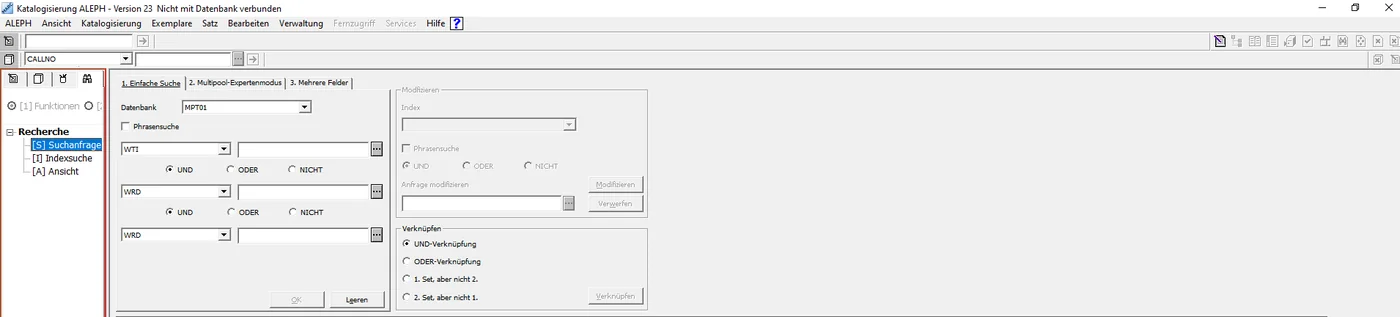
So we used only what the open catalogue routinely offers every visitor: search, and the function for saving results for reference managers.
How the AI worked with the catalogue
The model opened the catalogue in a browser and worked with it the way a person would: running searches, reading the site’s responses, choosing export options and checking the resulting files.
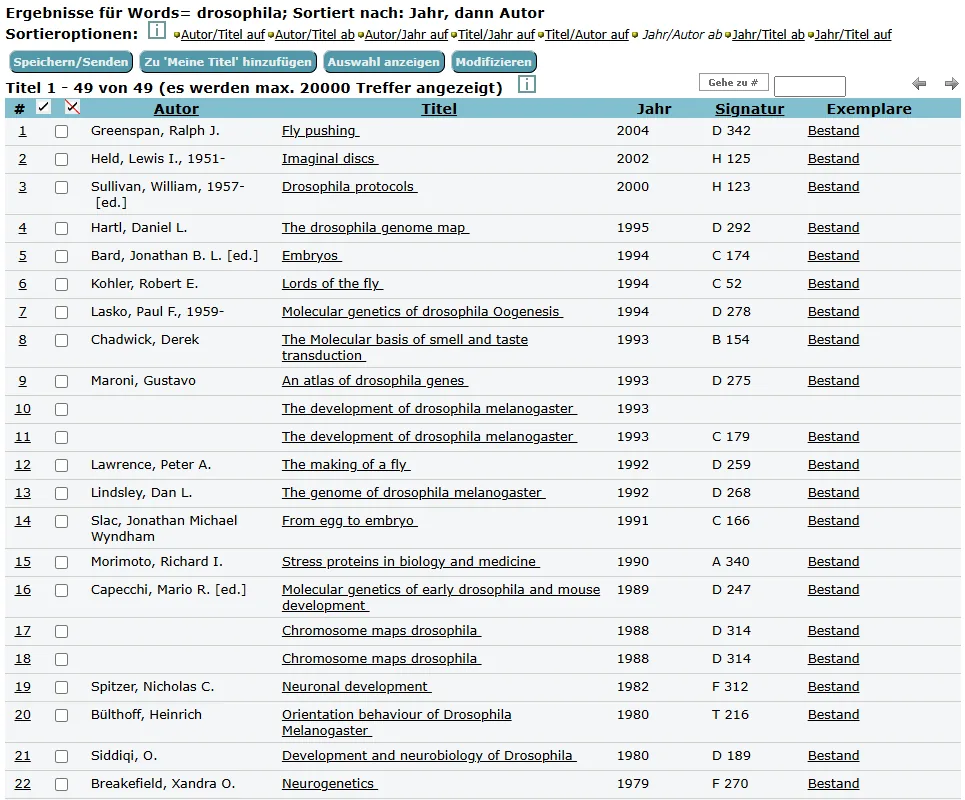
- A test search for the year 200044 records and a “Speichern/Senden” (save/send) button — export in a reference-manager format works.
- A wide range of years5,858 records. One could have stopped there.
- The librarian’s questionWhat about records with no year, or an unusual one? A “find everything” wildcard didn’t work, and neither did an overly broad keyword search.
- Publication typesThe year searches were combined with publication types: monographs, articles, serials. Another 295 records turned up. Total: 6,153.
What was in the archive 18 minutes later
About 18 minutes passed from the first message with the link to the finished archive. It contained records in RIS format, the original text descriptions, item location data and a structured JSON file for development. For 6,036 records, the Aleph system numbers and call numbers were preserved.
The record count matched across all files: 6,153 everywhere. We checked the encoding, the order and the integrity of the archive. Where the structure needed a temporary identifier, it was clearly marked as created for this export. Gaps were kept as gaps.
And right away — quirks in the data
The year field contained volume ranges and page counts. Several records had no title. In RIS, some serials were typed as BOOK. We did not “fix” any of this on the fly: the original values were kept and the quirks documented. Deciding what to correct is the librarian’s job.
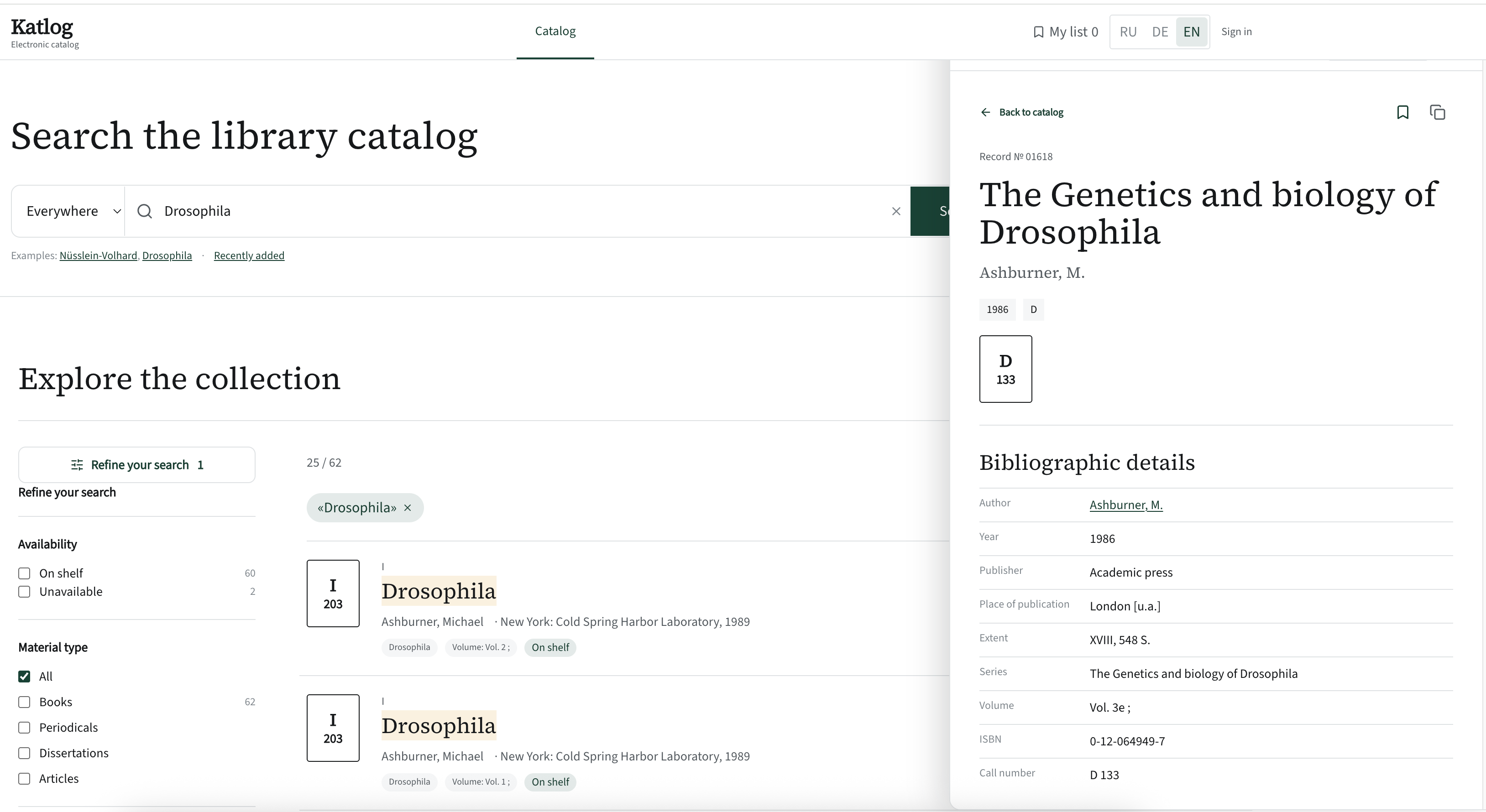
We did not check completeness against Aleph’s internal database: we have every record in the public view, and nothing more. But for a first step it was enough to turn the question “is it possible?” into “what do we do with it now?”.
- Export of the open MPT01 catalogue, 25 September 2026; author’s own counts